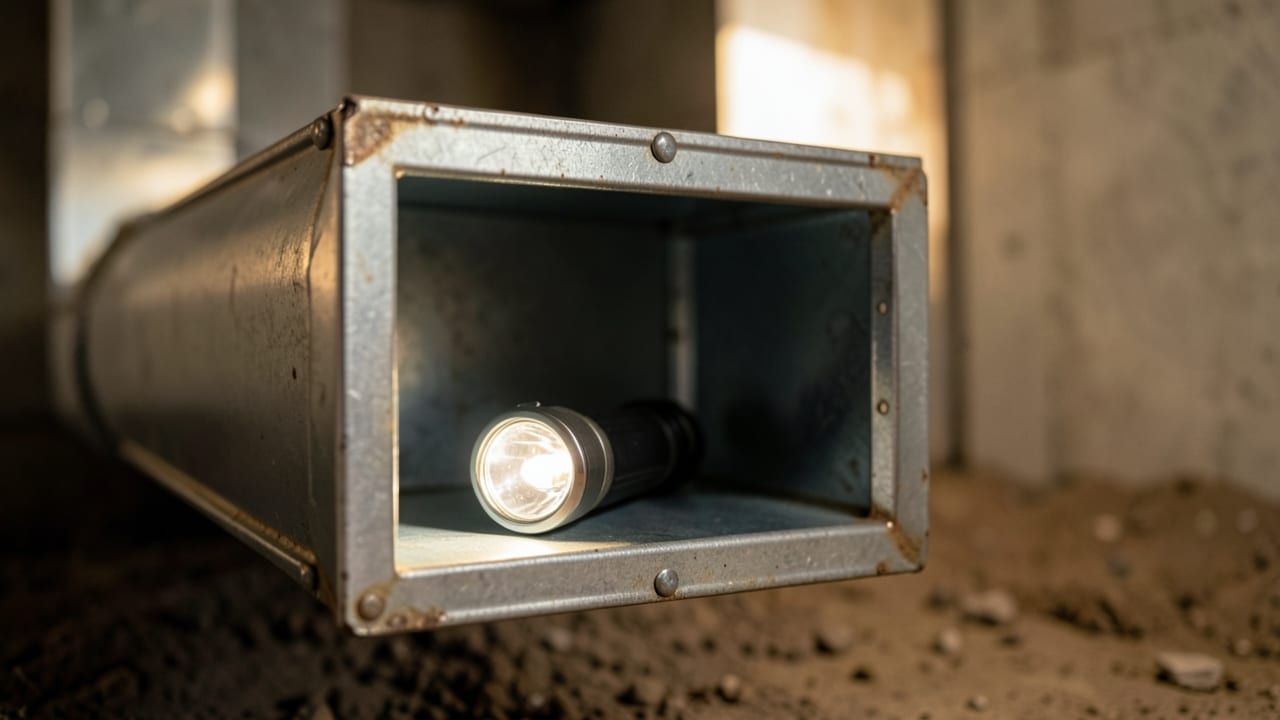
Ductwork Inspection
Professional inspection of air ducts and HVAC systems to assess cleanliness and functionality.
In Coral Springs, FL, a ductwork inspection evaluates your HVAC system’s air ducts for dust, mold, debris, or damage that could impair airflow and indoor air quality. Using visual and camera-based assessments, airflow checks, and air sampling, this service provides a detailed report to help determine if cleaning or repairs are needed—ideal for homes with recent construction, pest issues, or efficiency complaints.
When to schedule a ductwork inspection
A ductwork inspection is not a routine service but a targeted assessment for specific concerns. If you’re unsure when your ducts were last checked, suspect hidden mold or pest contamination, or notice uneven heating/cooling, an inspection helps pinpoint issues before they worsen. It’s also a smart move before buying or selling a home in Coral Springs, where humidity and coastal conditions accelerate duct degradation.
We also handle HVAC Coil Cleaning and Mold & Mildew Duct Treatment for Coral Springs properties.
Inspections are particularly valuable after events like water leaks, renovations, or pest infestations, as these leave residues that only a direct look can confirm. Skipping an inspection when these issues arise risks missing blockages or biological growth that reduce HVAC efficiency and indoor air quality.
Signs You Need an Inspection
- A room that stays significantly hotter or colder than the rest of the house, despite the HVAC running normally.
- Visible dust or debris blowing out of vents, even after recent filter changes.
- Musty odors in your home, especially when the HVAC is running, which may indicate mold growth inside ducts.
- Increased energy bills with no clear explanation, suggesting reduced system efficiency due to blocked or damaged ducts.
- Recent water damage, construction, or pest infestation near ductwork, which can introduce contaminants.
What the inspection covers—and what it doesn’t
A thorough ductwork inspection includes a camera scope to document buildup, damage, or biological growth in accessible sections, airflow measurements at each register to identify blockages, and air sampling for lab analysis if indoor air quality is a concern. The goal is to provide a clear, unbiased snapshot of your duct system’s condition without performing any cleaning.
However, an inspection does not include repairs, cleaning, or recommendations for HVAC system upgrades. It also cannot assess areas of the ductwork that are inaccessible without demolition. The written report focuses solely on what was observed and tested during the inspection.
| Inspection Includes | Inspection Excludes |
|---|---|
| Camera-based visual inspection of duct interiors for dust, debris, and damage | Cleaning or removal of any contaminants found |
| Airflow testing at supply and return registers to identify blockages or disconnected runs | Repairs to ducts or HVAC components |
| Air sample collection (if requested) for lab analysis of particulates or biological contaminants | Assessment of inaccessible duct sections without demolition |
| Detailed written report with findings, photos, and airflow measurements | Recommendations for HVAC system upgrades or replacements |
Why timing and documentation matter
An inspection is most useful when tied to a specific change in your home, such as a completed renovation, resolved pest issue, or new HVAC installation. This provides a baseline to compare against future inspections, helping you track changes over time. Keeping records of past inspections—including photos and reports—also makes it easier to spot trends, like worsening buildup or new blockages.
Between inspections, maintaining basic HVAC hygiene—like changing filters regularly and keeping registers clear—reduces the likelihood of minor issues escalating. This proactive approach ensures each inspection reveals actionable insights rather than catching problems too late.
Schedule inspections around known changes to your home (e.g., post-renovation, after pest treatment) to get a meaningful snapshot of current conditions. Save copies of past inspection reports and photos to compare over time—this helps identify gradual issues like increasing dust buildup or new airflow restrictions.
How ductwork inspection works
A professional inspection follows a structured process to assess your duct system’s condition without disturbing it.
- 1Visual and Camera Inspection
A technician uses a flexible camera scope to inspect accessible sections of your ductwork, documenting dust buildup, debris, mold, or physical damage. This step provides a clear record of the current state without altering the system.
- 2Airflow Testing
Airflow is measured at each supply and return register using a manometer or anemometer. These measurements are compared to the system’s rated capacity to identify blockages, disconnected runs, or undersized ducts that may restrict airflow.
- 3Air Sample Collection (Optional)
If indoor air quality is a concern, air samples are collected from both the supply air and room air. These samples are sent to an independent lab for analysis, ensuring unbiased results for particulates or biological contaminants.
- 4Written Report Delivery
The findings—including photos, airflow measurements, and lab results (if applicable)—are compiled into a detailed report. This document serves as a reference for deciding whether cleaning, repairs, or other actions are needed.
Frequently asked questions
How often should I get my ducts inspected?
There’s no fixed schedule for inspections, as they’re triggered by specific concerns like recent construction, pest issues, or efficiency complaints. However, if you’ve never had an inspection or suspect hidden problems, starting with one is wise—especially in Coral Springs’ humid climate, where mold and dust buildup accelerate.
Will the inspection tell me if my ducts need cleaning?
The inspection provides objective findings about dust, debris, mold, airflow restrictions, or damage, but it doesn’t recommend cleaning. You’ll receive a written report with photos and data to help you decide if professional cleaning or repairs are warranted based on your comfort, efficiency, or air quality goals.
Can an inspection detect mold in my ducts?
Yes, a camera inspection can visually identify mold growth in accessible duct sections. For a definitive count of spores or particulates, air samples are collected during the inspection and sent to a lab for analysis, ensuring accurate results.
Do you cover inspections for homes in nearby cities like Parkland or Coconut Creek?
Yes, ductwork inspections are available across Coral Springs and the surrounding area, including Parkland, Coconut Creek, Margate, and other nearby towns. Pricing and coverage are consistent regardless of location within this service area.
Where Coral Springs sits, and what the Census lists nearby
Coral Springs sits in Florida, and the closest places listed in the U.S. Census Gazetteer are Margate (3.4 miles southeast), Parkland (3.5 miles north), North Lauderdale (4.7 miles southeast), Tamarac (4.7 miles south). Within 25 miles of Coral Springs the same source lists 60 distinct incorporated places and census-designated places. Those figures matter for ductwork inspection because they are straight-line distances between Census coordinate points: road mileage between Coral Springs and Margate runs longer than the 3.4 miles shown, which is why quotes for the same job differ between towns that look close together on a map. Source: U.S. Census Bureau Gazetteer.
See Margate, FL for more, or explore everything on offer in Coral Springs before booking for our complete lineup.
Ready to get started?
Talk to a local air duct cleaning pro in Coral Springs — get a written quote.
Other Air Duct Cleaning Services in Coral Springs
HVAC Coil Cleaning in Coral Springs, FL
Evaporator and condenser coil cleaning in Coral Springs, FL restores HVAC efficiency lost to dirty coils.
Learn More
Mold & Mildew Duct Treatment in Coral Springs, FL
Mold and mildew treatment for HVAC ductwork in Coral Springs, FL — antimicrobial application after a full duct cleaning.
Learn More
Indoor Air Quality Testing in Coral Springs, FL
Indoor air quality testing in Coral Springs, FL measures particulate levels, humidity, and allergens to identify what a home's HVAC system is actually circulating.
Learn More
UV Light & Sanitization Treatment in Coral Springs, FL
UV-C light installation and duct sanitization treatment in Coral Springs, FL — an ongoing defense against microbial growth on the evaporator coil.
Learn More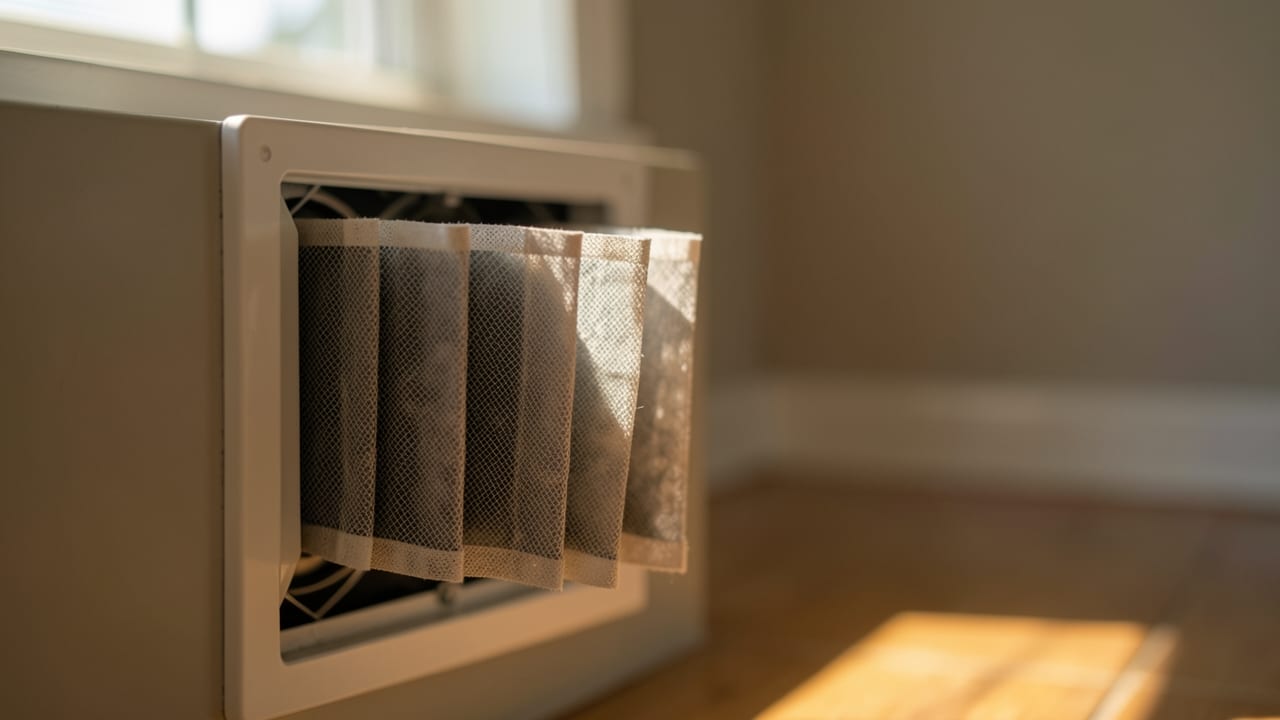
Air Filter Replacement in Coral Springs, FL
Air filter replacement and MERV-rating guidance in Coral Springs, FL, matched to household needs and system airflow limits.
Learn More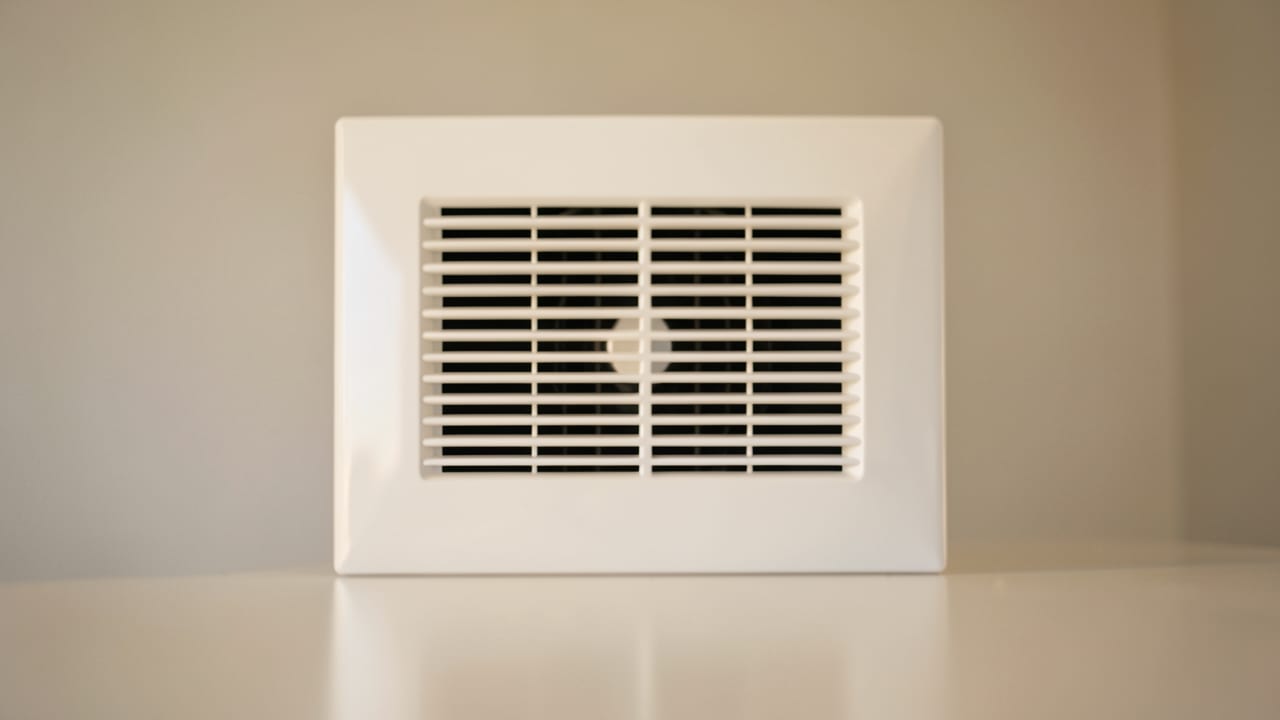
Bathroom Exhaust Fan Cleaning in Coral Springs, FL
Bathroom exhaust fan cleaning in Coral Springs, FL clears dust and lint from the fan housing and vent run, restoring proper airflow.
Learn MoreCommon Questions About Air Duct Cleaning in Coral Springs
Everything you need to know about air duct cleaning services in Coral Springs
How much does Ductwork Inspection typically cost in Coral Springs, FL?
Can humidity in Coral Springs, FL lead to mold growing inside the ductwork itself?
Can air ducts be cleaned with a household vacuum instead of hiring it out?
Is duct cleaning ever covered by a home warranty or insurance policy?
What's the actual difference between duct cleaning and dryer vent cleaning?
Does the cleaning process release dust into the rest of the home?
Need Air Duct Cleaning in Coral Springs?
Get a written quote from our Coral Springs crew.
⏰ We answer your call • Serving all of Coral Springs and surrounding areas