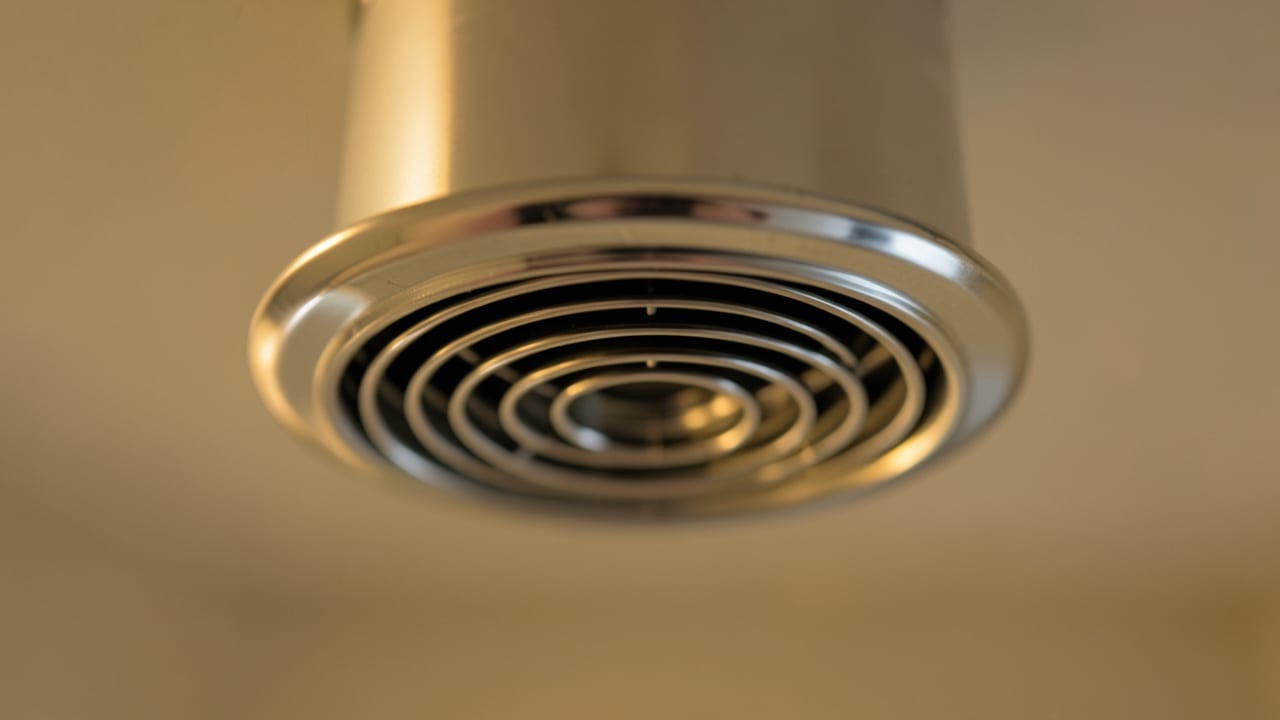
Pantry Vent Cleaning
Professional cleaning of pantry ventilation systems to remove grease, dust, and debris buildup.
Pantry vent cleaning in Coral Springs, FL, targets the exhaust systems that remove cooking fumes, grease, and moisture from kitchens. Over time, these vents accumulate residue, reducing airflow and efficiency. A thorough cleaning of ducts, filters, and hood components restores proper function, ensuring a safer and more effective kitchen ventilation system.
Why pantry vent cleaning matters in Coral Springs
Grease and moisture buildup in pantry vents don’t just reduce efficiency—they create fire hazards and poor indoor air quality. Coral Springs’ humid climate accelerates mold and bacterial growth in neglected vents, turning a routine maintenance task into a health risk. A professional cleaning removes years of accumulated debris, restoring airflow and preventing costly repairs.
We also handle Wear and Tear Duct Refresh and Move-In Duct Sanitization for Coral Springs properties.
Visible signs like dust puffing from vents when the system turns on, or a musty smell that fades once the system shuts off, are direct indicators that cleaning is needed. Ignoring these signals can lead to reduced HVAC performance and even structural damage from moisture buildup in ductwork.
Signs Your Pantry Vent Needs Cleaning
- A visible layer of dust reappears on surfaces near supply vents within days of cleaning or wiping.
- A musty or stale smell is noticeable *only* while the HVAC system is running, not when it’s off.
- Dust or debris is visibly accumulating on or around vent grilles, especially in kitchens or laundry rooms.
- Airflow from registers feels weaker than before, or some vents blow dust instead of clean air.
- Pets or allergies worsen after the HVAC system runs, suggesting biological growth inside ducts.
What affects pricing and timing?
Pantry vent cleaning in Coral Springs follows no one-size-fits-all schedule—industry guidelines range from annual to every five years, but the real factor is household conditions. Homes with heavy cooking, pets, or unsealed duct connections need more frequent service. Changing air filters every 1–3 months also slows buildup by preventing dust from bypassing the filter and entering ducts.
Pricing varies by vent type and access difficulty. Supply vents typically cost **$25–$50 each**, while larger return vents range from **$40–$75**. Whole-house pricing depends on whether the quote covers only visible vents or includes main trunk lines and HVAC coils. Always confirm the pricing model—per-vent, per-register, or flat-rate—to avoid surprises.
Common pitfalls to avoid
Skipping the **register sealing** step during cleaning lets dislodged dust blow back into living spaces instead of being captured. Similarly, **aggressive brushing of flex ducts** can disconnect loose joints, sending conditioned air into walls or attics—a problem that may not surface until humidity or pests reveal the gap. Both issues require professional attention to fix correctly.
Overlooking **moisture control** after cleaning can backfire: biocides or moisture treatments left undried create the ideal environment for new microbial growth. The goal is to remove contaminants, not trade one problem for another. Always insist on a **before-and-after inspection** to verify debris removal and airflow improvement.
A quote that’s **unusually low** may use a shop-vac at vents instead of a full negative-pressure system. **No before/after inspection** means no way to confirm debris removal. **Bundled add-ons** (like UV-light treatments) without itemized pricing can inflate costs. Always ask: *Does the estimate cover main trunk lines, HVAC coils, and a camera inspection?*
How pantry vent cleaning works
- 1System Inspection
A camera or mirror inspection identifies debris buildup and biological growth in supply/return runs. This step ensures crews target only the sections needing agitation, avoiding unnecessary disruption to clean areas.
- 2Register Sealing & Negative-Pressure Setup
Non-working registers are sealed, and a HEPA-filtered vacuum is connected to the system. This pulls dislodged dust into the collection unit instead of releasing it into rooms through open vents.
- 3Mechanical Agitation
Rotary brushes or compressed-air whips loosen compacted dust from duct walls. Suction alone can’t remove settled debris—agitation is required to break it free before extraction.
- 4HEPA Extraction & Register Cleaning
Dislodged material is captured in a HEPA system, and all registers, grilles, and diffusers are removed and cleaned separately to remove surface dust and pet hair.
- 5Airflow Verification
After reassembly, airflow is measured at key registers to confirm improvement. A lack of change suggests debris was only moved, not removed.
Frequently asked questions
How often should pantry vents be cleaned in Coral Springs’ humid climate?
There’s no universal answer—it depends on cooking habits, pets, and duct sealing. Industry guidelines suggest **annual to every five years**, but homes with heavy grease buildup or allergies may need service every **1–2 years**. Changing filters every **1–3 months** also reduces contamination.
Will cleaning my pantry vent improve my kitchen’s air quality?
Yes, but only if the service includes **HEPA extraction and agitation**. A basic vacuum at vents leaves fine particulate behind. Look for a provider that offers **before/after camera inspections** to confirm debris removal and airflow restoration.
Can I clean my pantry vent myself, or should I hire a pro?
DIY methods (like vacuuming at vents) remove surface dust but miss **compacted grease and biological growth** deeper in ducts. Professionals use **negative-pressure systems and agitation tools** to reach all areas safely, reducing fire and mold risks.
Why does dust keep reappearing near my kitchen vents after cleaning?
This usually means **new dust is being fed into the system**—often from unsealed duct connections, clogged filters, or gaps in registers. Sealing leaks and replacing filters every **1–3 months** can slow buildup. If dust reappears *consistently faster* near one vent, that register may need deeper inspection.
Where Coral Springs sits, and what the Census lists nearby
Coral Springs sits in Florida, and the closest places listed in the U.S. Census Gazetteer are Margate (3.4 miles southeast), Parkland (3.5 miles north), North Lauderdale (4.7 miles southeast), Tamarac (4.7 miles south). Within 25 miles of Coral Springs the same source lists 60 distinct incorporated places and census-designated places. Those figures matter for pantry vent cleaning because they are straight-line distances between Census coordinate points: road mileage between Coral Springs and Margate runs longer than the 3.4 miles shown, which is why quotes for the same job differ between towns that look close together on a map. Source: U.S. Census Bureau Gazetteer.
See Weston, FL for more, or see what's included in our Coral Springs service on a single page for our complete lineup.
Ready to get started?
Talk to a local air duct cleaning pro in Coral Springs — get a written quote.
Other Air Duct Cleaning Services in Coral Springs

Wear and Tear Duct Refresh in Coral Springs, FL
Professional cleaning of air ducts and HVAC components to remove dust, debris, and contaminants.
Learn More
Move-In Duct Sanitization in Coral Springs, FL
Professional cleaning and sanitization of air ducts in a new home before move-in.
Learn More
Air Duct Cleaning in Coral Springs, FL
Whole-system air duct cleaning in Coral Springs, FL — removes mold and mildew from supply and return ductwork using NADCA-standard negative-air-pressure equipment.
Learn More
Dryer Vent Cleaning in Coral Springs, FL
Dryer vent cleaning in Coral Springs, FL clears lint buildup that restricts airflow and is a leading cause of house fires.
Learn More
HVAC Coil Cleaning in Coral Springs, FL
Evaporator and condenser coil cleaning in Coral Springs, FL restores HVAC efficiency lost to dirty coils.
Learn More
Mold & Mildew Duct Treatment in Coral Springs, FL
Mold and mildew treatment for HVAC ductwork in Coral Springs, FL — antimicrobial application after a full duct cleaning.
Learn MoreCommon Questions About Air Duct Cleaning in Coral Springs
Everything you need to know about air duct cleaning services in Coral Springs
How much does Pantry Vent Cleaning typically cost in Coral Springs, FL?
Can humidity in Coral Springs, FL lead to mold growing inside the ductwork itself?
What's the real difference between flat-rate and per-vent air duct pricing?
How often should air ducts actually be cleaned?
What does an air duct cleaning appointment actually involve, step by step?
Does dirty ductwork actually cause allergy or respiratory symptoms?
Need Air Duct Cleaning in Coral Springs?
Get a written quote from our Coral Springs crew.
⏰ We answer your call • Serving all of Coral Springs and surrounding areas