
Algae Biofilm Duct Cleaning
Removal of algae and biofilm buildup from HVAC ductwork to improve airflow and air quality.
Algae biofilm duct cleaning in Coral Springs, FL targets organic growth within HVAC systems that restricts airflow and degrades indoor air quality. This specialized service removes slimy or dark deposits from ducts, ensuring cleaner air and improved system efficiency for homes across Broward County and nearby areas.
Why algae biofilm builds up in ducts
Algae biofilm thrives in damp, poorly ventilated ductwork, often hidden from view but detectable by musty odors or visible dust buildup near vents. Unlike standard dust, algae biofilm releases spores into the air, worsening allergies and respiratory issues. Coral Springs’ humid climate accelerates this growth, making proactive cleaning essential for homeowners.
We also handle Indoor Air Quality Testing and UV Light & Sanitization Treatment for Coral Springs properties.
Signs of algae biofilm include a persistent musty smell when the HVAC runs, dust settling unevenly in rooms, or a gray film on vent grilles. If ignored, biofilm can spread through the entire system, reducing efficiency and increasing energy costs. A professional inspection confirms the presence and extent before treatment begins.
Signs You Need Algae Biofilm Duct Cleaning
- A musty or stale smell that appears only when the HVAC is running and fades when it’s off
- Dust resettling on furniture within days of cleaning, especially near supply vents
- Visible gray film or buildup on vent grilles that reappears quickly after wiping
- Uneven dust accumulation in one room vs. others, suggesting active dust delivery through vents
- Increased allergy symptoms or respiratory irritation when the HVAC is active
What affects pricing and frequency?
Pricing for algae biofilm duct cleaning in Coral Springs varies based on ductwork complexity, system size, and contamination severity. Most providers use either a flat-rate model with per-vent add-ons or pure per-vent pricing, but transparency about the method (negative-pressure HEPA vs. shop-vac) is critical—some estimates exclude main trunk lines or HVAC coils, leaving hidden dust behind.
How often ducts need cleaning depends on household factors like pets, humidity control, and filter maintenance—not a fixed schedule. Industry guidance ranges from annual to every five years, but homes with pets, high humidity, or visible dust buildup may require more frequent service. Preventing recurrence relies on sealing duct gaps and changing filters every 1–3 months.
Common pitfalls to avoid
Skipping register sealing during cleaning allows dislodged dust and biofilm to blow into living spaces instead of being captured. Similarly, aggressive agitation in flexible duct sections can disconnect joints, redirecting conditioned air into walls or attics—a problem only detected during airflow verification after reassembly.
Overlooking moisture control after biocide treatment can create ideal conditions for new microbial growth. While treatments kill existing biofilm, residual dampness accelerates regrowth. Always ensure ducts are fully dry post-treatment to prevent recurrence.
Avoid quotes that lack clarity on pricing models (flat-rate, per-vent, or per-register), exclude HVAC coils or trunk lines, or omit before/after inspections. Unusually low prices may indicate a shop-vac method instead of full negative-pressure cleaning, leaving debris behind.
How algae biofilm duct cleaning works
This process combines inspection, mechanical agitation, and HEPA filtration to remove organic growth from ducts safely.
- 1System Inspection
A camera or mirror inspection identifies algae biofilm and debris concentrations in supply/return ducts. This step pinpoints areas needing agitation while bypassing cleaner sections.
- 2Register Sealing & Negative-Pressure Setup
Non-working registers are sealed, and a HEPA-filtered collection unit is connected to pull dislodged material out of the system instead of into living spaces.
- 3Mechanical Agitation
Rotary brushes or compressed-air whips loosen compacted dust and biofilm from duct walls. This step ensures embedded debris isn’t left behind by suction alone.
- 4HEPA Extraction & Register Cleaning
Dislodged material is captured in a HEPA system, while registers, grilles, and diffusers are cleaned separately to remove surface-level buildup.
- 5Airflow Verification
Post-cleaning, airflow is measured at multiple registers to confirm improved circulation. Uneven flow suggests disconnected duct sections or untreated areas.
Frequently asked questions
How do I know if my ducts have algae biofilm instead of just dust?
Algae biofilm produces a musty smell when the HVAC runs and visible gray film on vent grilles. Dust typically resettles evenly, while biofilm-related dust concentrates near supply vents and reappears quickly after cleaning.
Will sealing duct gaps really help prevent future buildup?
Yes. Unsealed gaps pull dust, pet dander, and humidity directly into ducts between cleanings. Sealing connections in basements, attics, or register boots reduces the volume of contaminants entering the system.
Can I clean algae biofilm myself, or do I need a professional?
DIY methods like shop-vacs at vents remove surface dust but leave embedded biofilm and fail to address moisture issues. Professionals use negative-pressure HEPA systems, agitation tools, and moisture control to fully remediate the problem.
Why does my HVAC still smell musty after cleaning?
Residual moisture or untreated duct sections can cause regrowth. Ensure the technician verifies airflow improvements and confirms no disconnected flex ducts. A follow-up biocide treatment may be needed if humidity isn’t controlled.
Where Coral Springs sits, and what the Census lists nearby
Coral Springs sits in Florida, and the closest places listed in the U.S. Census Gazetteer are Margate (3.4 miles southeast), Parkland (3.5 miles north), North Lauderdale (4.7 miles southeast), Tamarac (4.7 miles south). Within 25 miles of Coral Springs the same source lists 60 distinct incorporated places and census-designated places. Those figures matter for algae biofilm duct cleaning because they are straight-line distances between Census coordinate points: road mileage between Coral Springs and Margate runs longer than the 3.4 miles shown, which is why quotes for the same job differ between towns that look close together on a map. Source: U.S. Census Bureau Gazetteer.
See Tamarac, FL for more, or discover the air duct cleaning work we do around Coral Springs on a single page for our complete lineup.
Ready to get started?
Talk to a local air duct cleaning pro in Coral Springs — get a written quote.
Other Air Duct Cleaning Services in Coral Springs
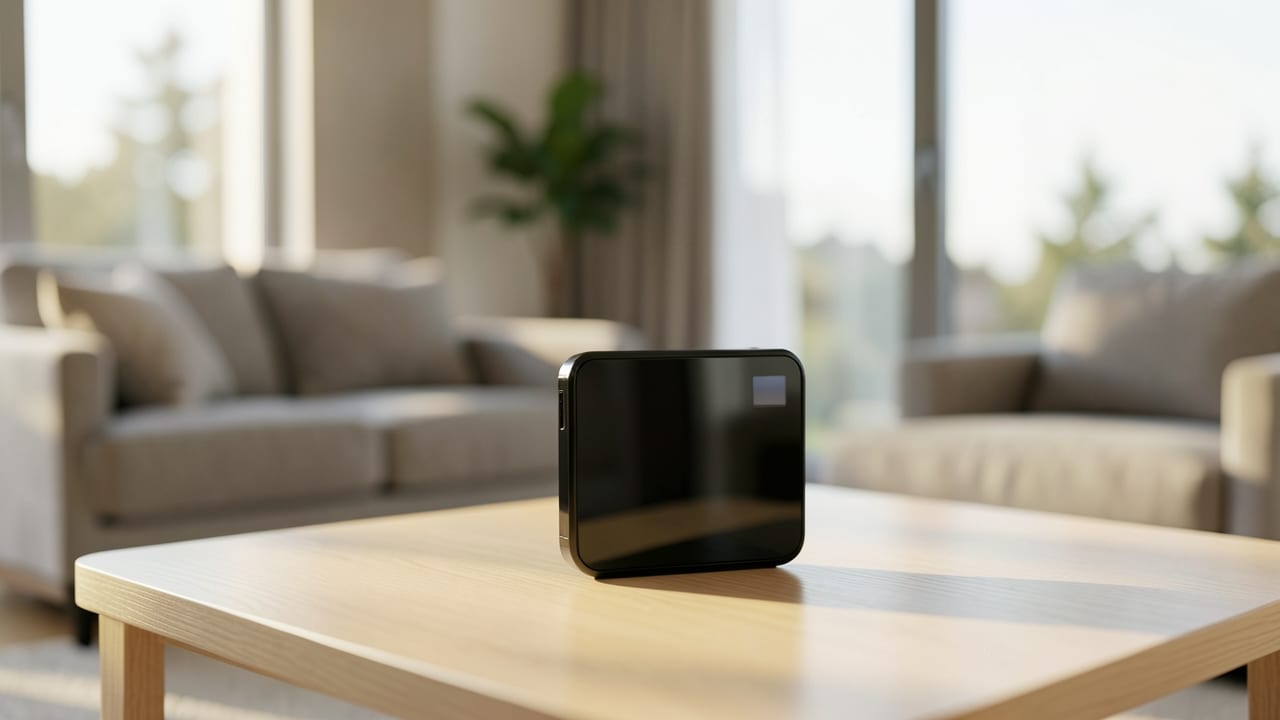
Indoor Air Quality Testing in Coral Springs, FL
Indoor air quality testing in Coral Springs, FL measures particulate levels, humidity, and allergens to identify what a home's HVAC system is actually circulating.
Learn More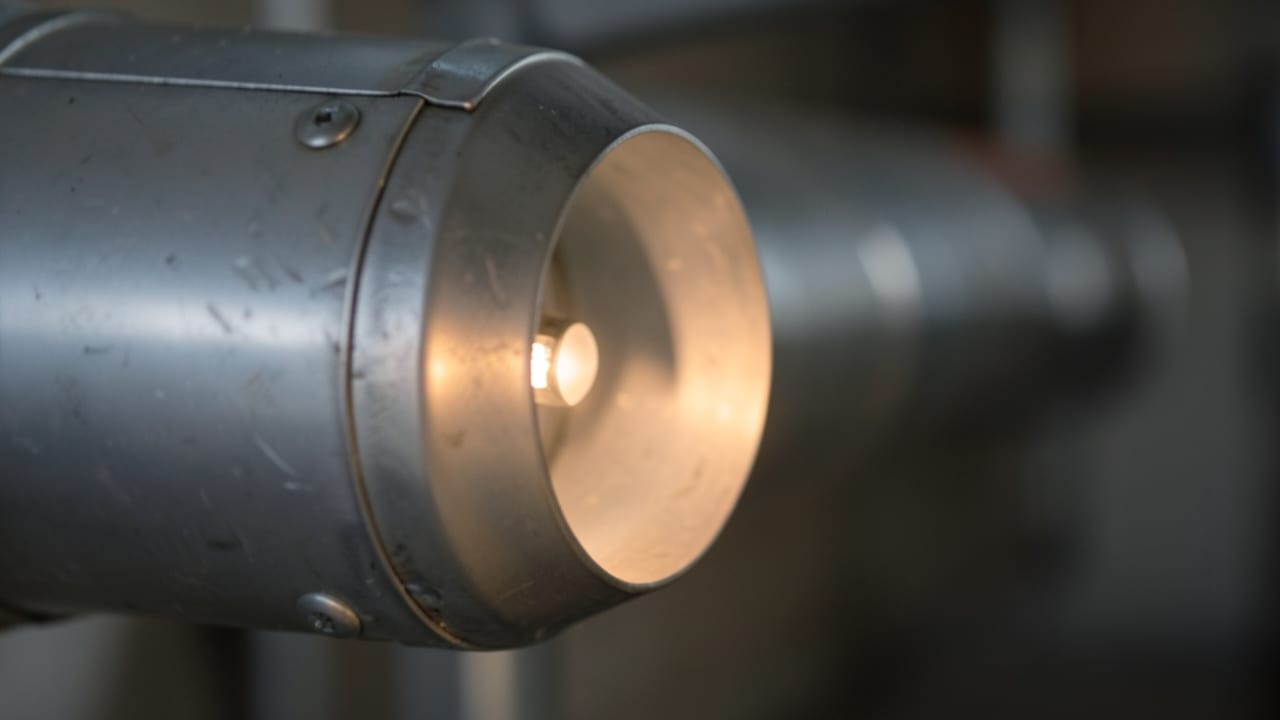
UV Light & Sanitization Treatment in Coral Springs, FL
UV-C light installation and duct sanitization treatment in Coral Springs, FL — an ongoing defense against microbial growth on the evaporator coil.
Learn More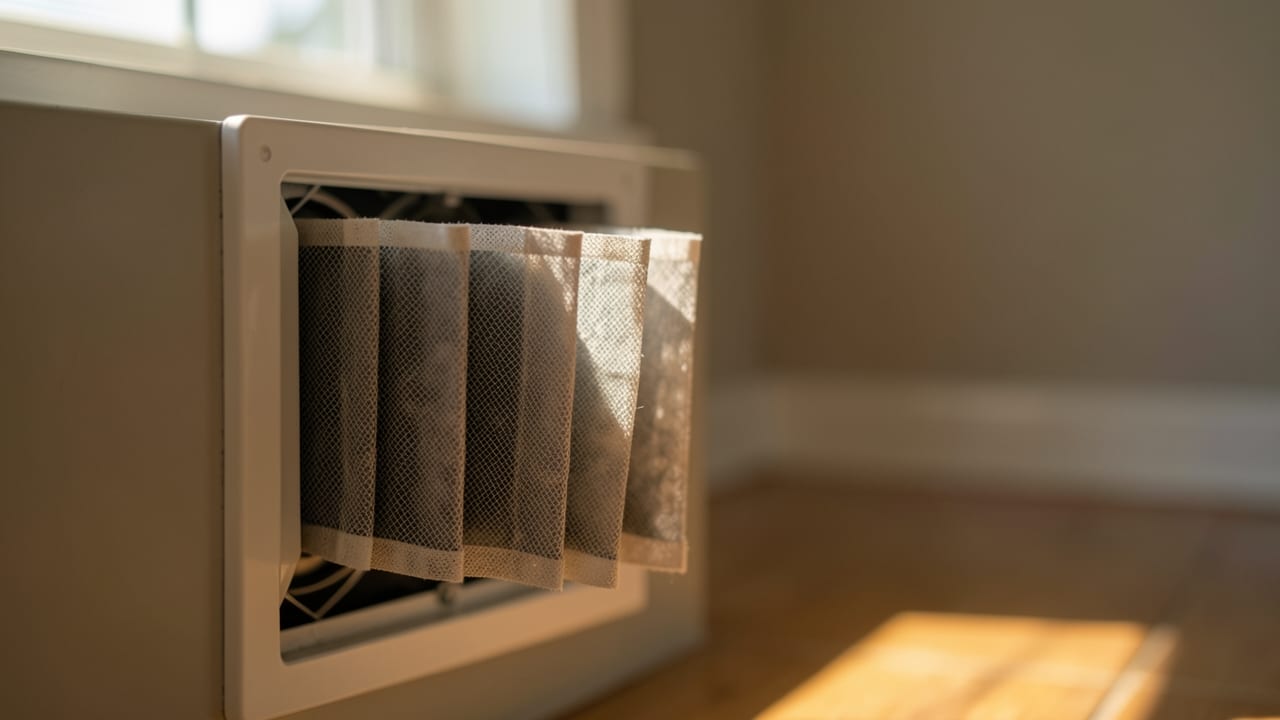
Air Filter Replacement in Coral Springs, FL
Air filter replacement and MERV-rating guidance in Coral Springs, FL, matched to household needs and system airflow limits.
Learn More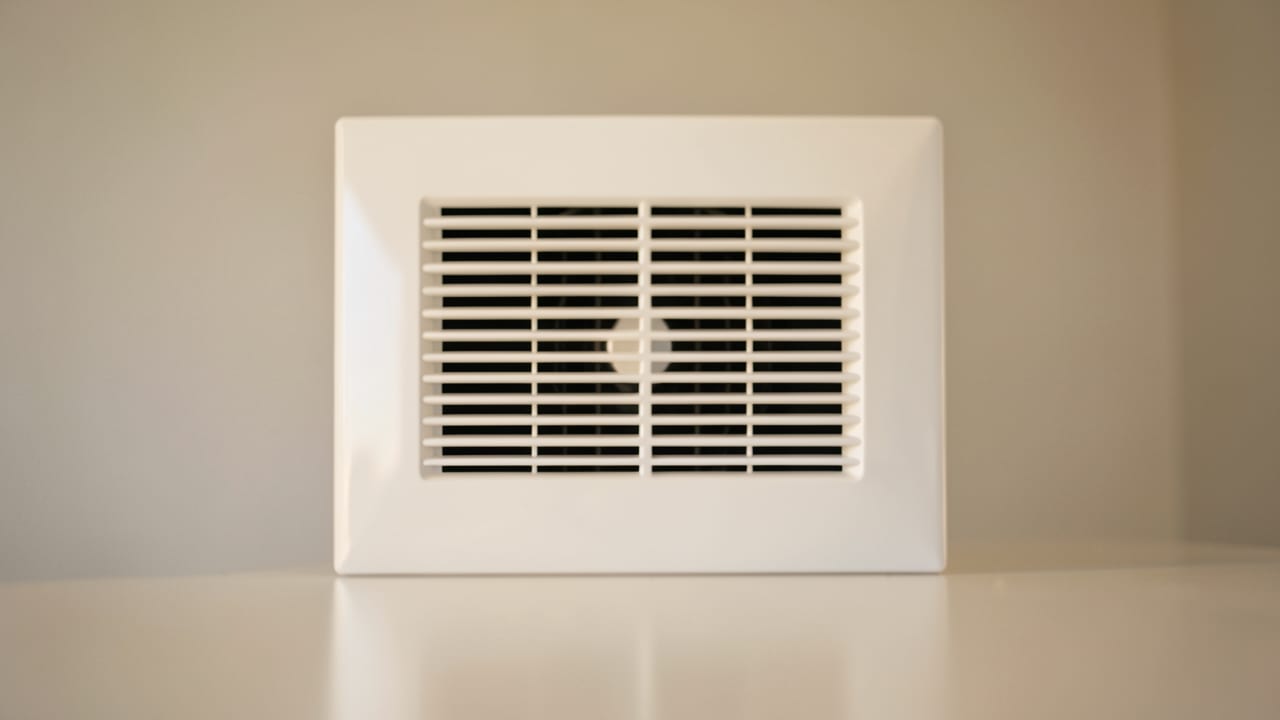
Bathroom Exhaust Fan Cleaning in Coral Springs, FL
Bathroom exhaust fan cleaning in Coral Springs, FL clears dust and lint from the fan housing and vent run, restoring proper airflow.
Learn More
Duct Sealing in Coral Springs, FL
Duct sealing in Coral Springs, FL closes leaks in supply and return ductwork that waste conditioned air and strain the HVAC system.
Learn More
Furnace & Vent Cleaning in Coral Springs, FL
Furnace and vent cleaning in Coral Springs, FL clears the burner compartment, blower, and venting of dust and combustion byproducts.
Learn MoreCommon Questions About Air Duct Cleaning in Coral Springs
Everything you need to know about air duct cleaning services in Coral Springs
How much does Algae Biofilm Duct Cleaning typically cost in Coral Springs, FL?
Can humidity in Coral Springs, FL lead to mold growing inside the ductwork itself?
What's the actual difference between duct cleaning and dryer vent cleaning?
Does the cleaning process release dust into the rest of the home?
How long does a typical air duct cleaning appointment take?
Can duct cleaning damage older or fragile ductwork?
Need Air Duct Cleaning in Coral Springs?
Get a written quote from our Coral Springs crew.
⏰ We answer your call • Serving all of Coral Springs and surrounding areas