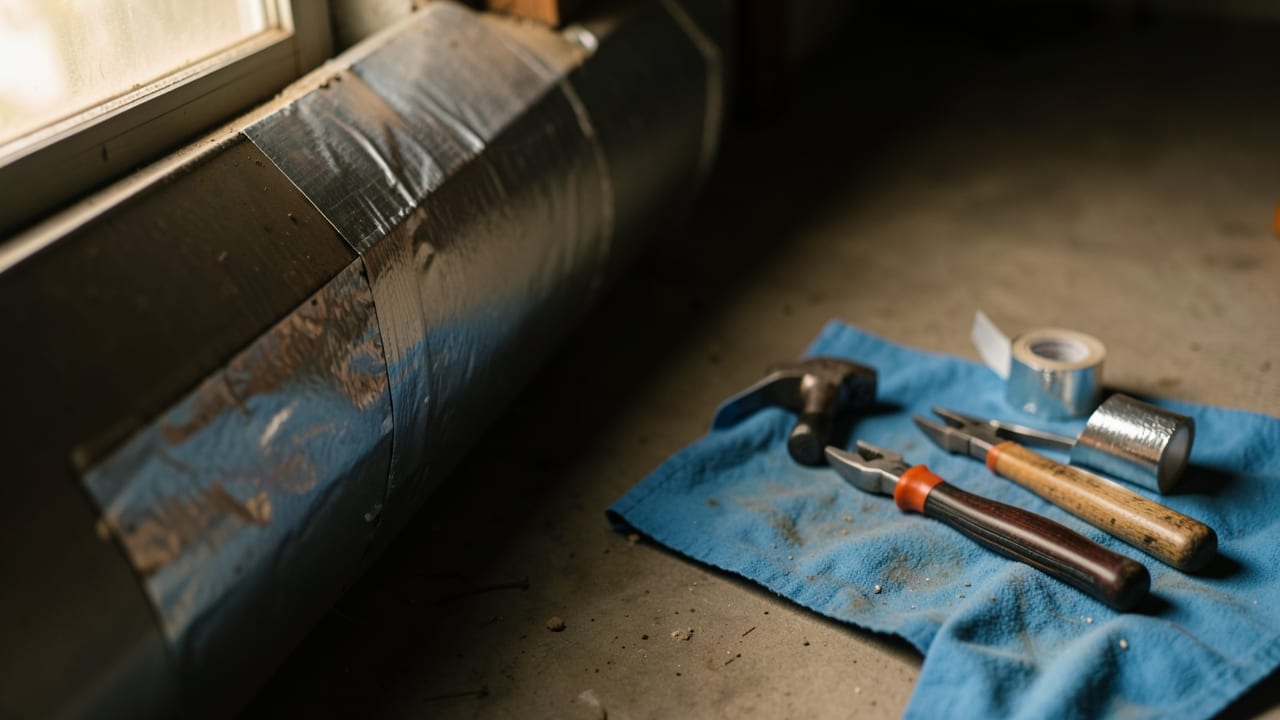
Ductwork Repair
Repairing or sealing damaged air ducts to restore HVAC efficiency and airflow.
In Coral Springs, FL, ductwork repair ensures your HVAC system operates efficiently by fixing leaks, gaps, or damaged sections in the ductwork. This service improves airflow, reduces energy waste, and prevents dust and allergens from circulating through your home. Proper repairs are essential for maintaining indoor air quality and system longevity, especially in homes with older ductwork or frequent airflow issues.
Signs your ductwork needs repair
Ductwork problems often reveal themselves through subtle but persistent symptoms rather than visible damage. A common sign is a noticeable puff of dust when your HVAC system first turns on, or dust resettling on furniture within days of cleaning. These issues suggest debris is still being pushed through the ducts, even if the system appears clean.
We also handle Crawl Space Duct Cleaning and Return Vent Cleaning for Coral Springs properties.
Musty or stale odors that disappear once the system shuts off are another red flag, indicating biological growth or trapped moisture inside the ducts. Additionally, rooms near supply vents accumulating dust faster than others may have a direct connection to dirty ductwork behind the registers.
Key Indicators of Ductwork Repair Needs
- Dust reappears within days of cleaning, especially near supply vents
- Musty or stale smells while the HVAC system is running, but not when off
- Visible gray film or buildup on register grilles that returns quickly after cleaning
- Uneven airflow or weak output from certain vents compared to others
- Increased energy bills due to inefficient airflow or system strain
What affects ductwork repair costs and timing?
The cost of ductwork repair varies widely based on the extent of damage, the size of your home, and the materials used. Unlike duct cleaning, which often follows a set process, repairs depend on the specific issues found during inspection. For example, disconnected flex duct or crushed sections may require more labor and materials than sealing minor leaks.
The timing of repairs is less about a fixed schedule and more about proactive maintenance. Homes with pets, high humidity, or unfinished basements/attics tend to accumulate dust and debris faster. Regular filter changes (every 1–3 months) and sealing gaps at duct connections can extend the time between repairs.
Common pitfalls in ductwork repair services
Not all ductwork repair services are created equal. Some providers may skip critical steps like sealing registers during cleaning, allowing dislodged dust to spread throughout your home instead of being captured. Others might overlook disconnected flex duct or fail to inspect for moisture or biological growth, which can worsen indoor air quality.
Bundled add-ons, such as unnecessary UV-light treatments or biocides, can inflate costs without addressing the root cause. Always ask for a detailed, itemized quote that specifies whether the repair includes inspection, mechanical agitation, HEPA extraction, and airflow verification.
| Red Flag | Why It Matters |
|---|---|
| Unusually low price compared to other quotes | May indicate incomplete service (e.g., shop-vac at vents instead of full-system cleaning) |
| No before-and-after camera inspection offered | Without visual confirmation, you can’t verify debris removal or hidden damage |
| Pressure to add treatments like UV-light or biocides on-site | Bundled add-ons obscure the actual cost and may not be necessary |
| Unclear pricing model (per-vent vs. flat-rate) | Can lead to unexpected costs or incomplete repairs |
How ductwork repair works
- 1System Inspection
A camera or mirror inspection identifies leaks, gaps, or damage in the ductwork. This step locates disconnected joints, crushed sections, or areas with biological growth before any repairs begin.
- 2Repair and Sealing
Damaged sections are cut out and replaced, or leaks are sealed with metal tape or mastic. Flex duct connections are reconnected securely to prevent airflow loss.
- 3Mechanical Agitation (if cleaning is included)
A rotary brush or compressed-air whip dislodges built-up dust and debris from duct walls, ensuring deep cleaning alongside repairs.
- 4HEPA Extraction and Reassembly
Dislodged material is pulled into a HEPA-filtered collection unit, and registers are resealed. Airflow is verified at multiple vents to confirm improved circulation.
Frequently asked questions
How do I know if my ductwork needs repair instead of just cleaning?
If you notice disconnected flex duct, crushed sections, or visible gaps in the ductwork, repairs are likely needed. Cleaning alone won’t fix structural damage, which can lead to energy loss and poor airflow. A camera inspection can confirm the extent of the issues.
Will repairing my ductwork improve my energy bills?
Yes. Leaky or damaged ductwork can waste 20–40% of your conditioned air, forcing your HVAC system to work harder. Repairs restore efficiency, reducing energy costs over time.
Can ductwork repairs help with allergies or musty smells?
Absolutely. Repairing leaks and sealing ducts prevents dust, pollen, and mold spores from circulating. If biological growth is found, targeted treatments (like drying or antimicrobials) can eliminate musty odors.
How long does a ductwork repair typically take?
The duration depends on the scope, but most repairs for a standard home take 3–6 hours. Complex issues, like extensive damage or mold remediation, may require additional time.
Where Coral Springs sits, and what the Census lists nearby
Coral Springs sits in Florida, and the closest places listed in the U.S. Census Gazetteer are Margate (3.4 miles southeast), Parkland (3.5 miles north), North Lauderdale (4.7 miles southeast), Tamarac (4.7 miles south). Within 25 miles of Coral Springs the same source lists 60 distinct incorporated places and census-designated places. Those figures matter for ductwork repair because they are straight-line distances between Census coordinate points: road mileage between Coral Springs and Margate runs longer than the 3.4 miles shown, which is why quotes for the same job differ between towns that look close together on a map. Source: U.S. Census Bureau Gazetteer.
See Lauderdale Lakes, FL for more, or browse the full air duct cleaning lineup we run in Coral Springs step by step for our complete lineup.
Ready to get started?
Talk to a local air duct cleaning pro in Coral Springs — get a written quote.
Other Air Duct Cleaning Services in Coral Springs
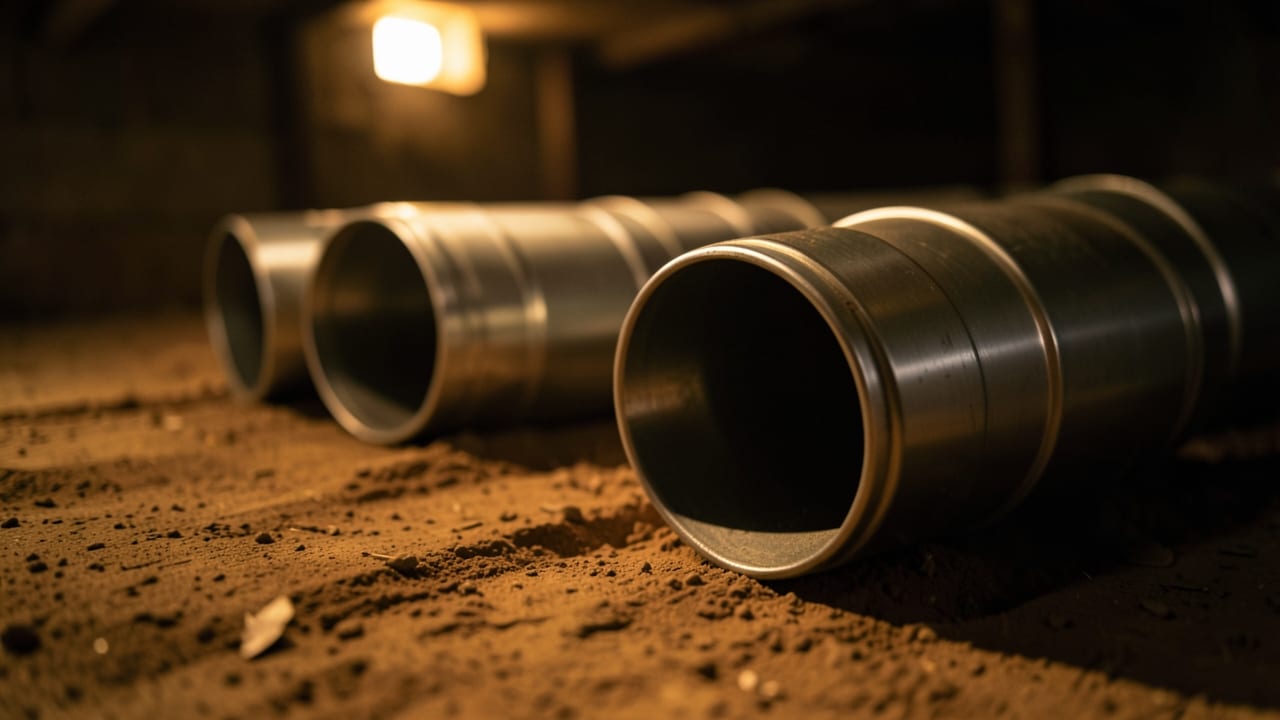
Crawl Space Duct Cleaning in Coral Springs, FL
Professional cleaning of ductwork in crawl spaces to improve airflow and indoor air quality.
Learn More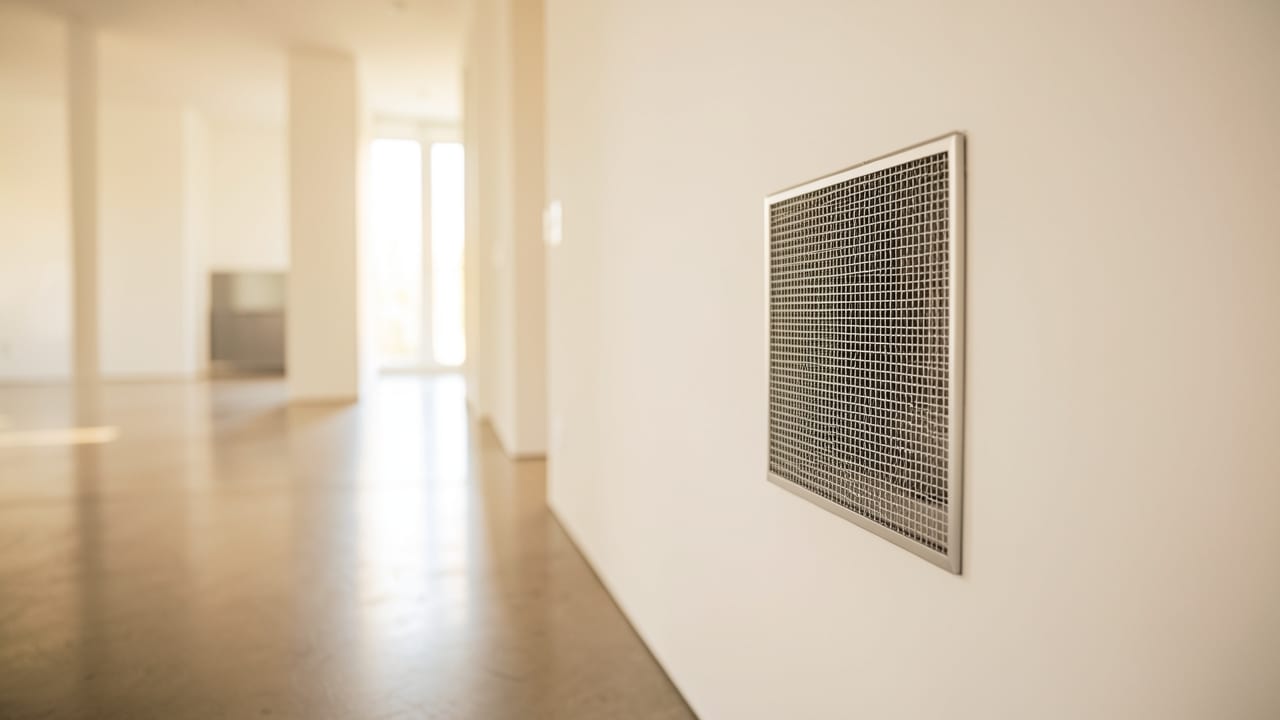
Return Vent Cleaning in Coral Springs, FL
Professional cleaning of return vents to improve HVAC airflow and indoor air quality.
Learn More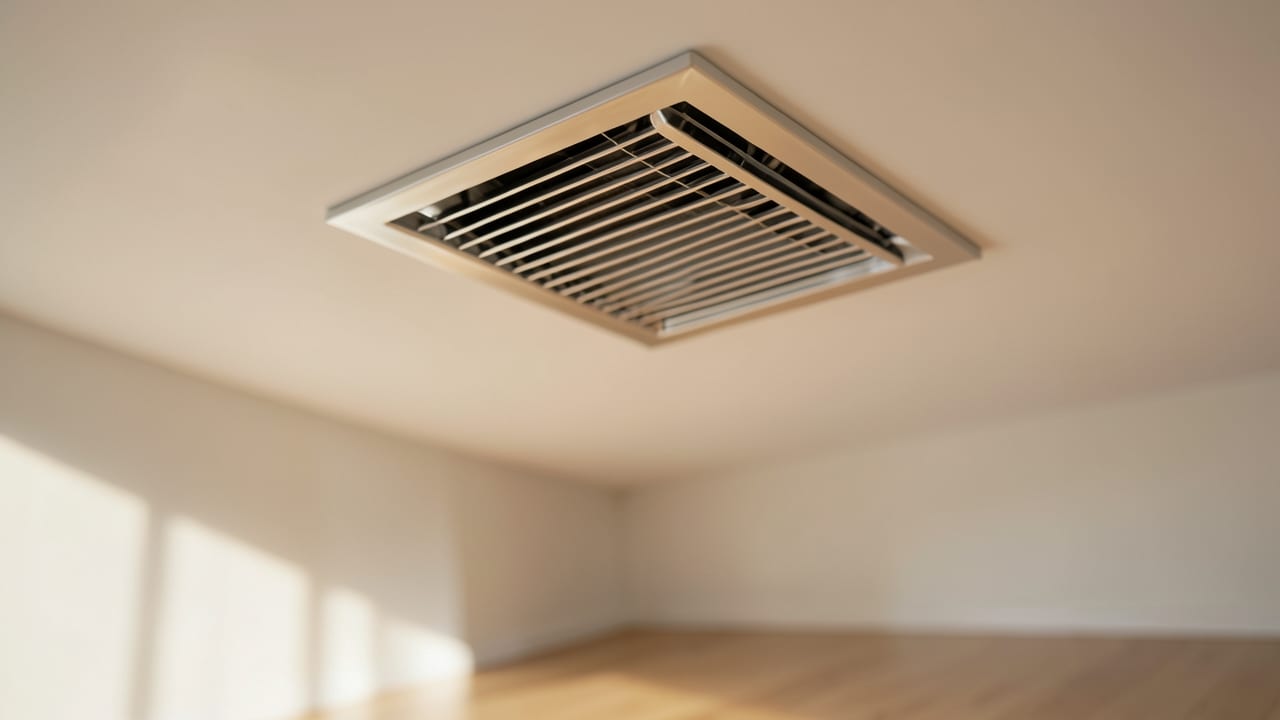
Supply Vent Cleaning in Coral Springs, FL
Professional cleaning of supply vents to improve airflow and indoor air quality in HVAC systems.
Learn More
Metal Duct Cleaning in Coral Springs, FL
Professional cleaning of metal ductwork to remove dust, debris, and contaminants from HVAC systems.
Learn More
Ductwork Inspection in Coral Springs, FL
Professional inspection of air ducts and HVAC systems to assess cleanliness and functionality.
Learn More
Air Handler Cleaning in Coral Springs, FL
Professional cleaning of air handler units to improve HVAC efficiency and indoor air quality.
Learn MoreCommon Questions About Air Duct Cleaning in Coral Springs
Everything you need to know about air duct cleaning services in Coral Springs
How much does Ductwork Repair typically cost in Coral Springs, FL?
Can humidity in Coral Springs, FL lead to mold growing inside the ductwork itself?
Does duct cleaning include the coils and blower compartment, or only the ducts themselves?
What's the real difference between flat-rate and per-vent air duct pricing?
How often should air ducts actually be cleaned?
What does an air duct cleaning appointment actually involve, step by step?
Need Air Duct Cleaning in Coral Springs?
Get a written quote from our Coral Springs crew.
⏰ We answer your call • Serving all of Coral Springs and surrounding areas